Aldwych Storage Recycling and Sustainability
 At Aldwych Storage, sustainability is built into the way the site operates every day. Our recycling and sustainability approach is designed to support a cleaner local environment while keeping storage practical, efficient, and responsible. We are committed to improving performance year on year, with a recycling percentage target of 85% across operational waste streams, measured through sorting, reuse, and recovery wherever possible. That means prioritising material separation, reducing contamination, and sending the smallest possible volume to landfill. In a busy London setting, this matters: each pallet, packing material, and end-of-life item needs to be handled with care, and our processes are designed to do exactly that.
Our commitment to sustainable storage in Aldwych starts with simple but effective principles. We work with on-site and off-site systems that support paper, cardboard, plastic, metal, wood, and general waste separation, while encouraging the reuse of materials before they become waste. Where suitable, items are assessed for repurposing or material recovery first, because sustainability is not only about disposal but about extending the life of resources. The result is a storage operation that is more efficient, less wasteful, and better aligned with the expectations of environmentally conscious businesses and residents in central London.
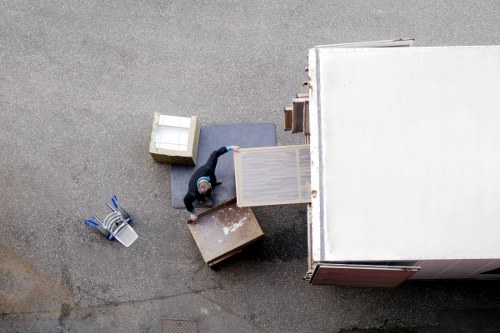 The local context also shapes how we manage waste. Across nearby boroughs, there is a strong emphasis on separating recyclables correctly and keeping mixed waste to a minimum, and our procedures reflect that borough-level approach to waste separation. Cardboard flattening, segregated collections for plastics, and clear routes for metals and soft plastics are all part of the system. By matching local expectations for sorting and collection, Aldwych Storage helps make recycling easier to carry out at source. Small actions add up, especially in dense urban areas where every bin, bag, and collection cycle has an environmental impact.
We also make use of local transfer stations to support efficient recycling and responsible handling of residual waste. These facilities help consolidate sorted materials before they move to specialist processors, reducing unnecessary journeys and improving overall recovery rates. By using nearby transfer points where possible, we cut down on transport miles and keep the waste stream moving smoothly. This local-first approach is especially valuable in central London, where road space is limited and emissions reduction is a priority. It supports a more circular way of working, where materials can be directed to the most appropriate recycling route with less delay and fewer carbon-intensive movements.
 Our sustainability work also extends beyond waste handling through partnerships with charities. When items are still in good condition, we look for routes that allow them to be donated, reused, or passed on for community benefit. That may include surplus furnishings, sturdy boxes, or usable storage accessories that can find a second life with charitable organisations. This focus on reuse helps reduce disposal volumes and supports local social value at the same time. In practice, recycling is most effective when it sits alongside donation and reuse, because not everything needs to become waste simply because it is no longer needed by one customer or one site.
For materials that do enter the waste stream, Aldwych Storage aims to keep sorting simple and robust. We encourage separation of cardboard, paper, rigid plastics, metals, timber, and mixed residual waste so that each category can be handled appropriately. This is particularly important in an area where borough collection methods can vary and contamination can quickly reduce recyclability. By keeping recyclable materials clean and distinct, we improve the chances that they can be processed into new products. Good segregation at the point of collection is one of the most effective sustainability measures available, and it sits at the heart of our recycling strategy.
Low-carbon vans are another important part of our sustainability roadmap. Our transport decisions are guided by the aim of lowering emissions while maintaining reliable service, and low-carbon or increasingly fuel-efficient vans help us reduce the environmental footprint associated with collections and deliveries. These vehicles are chosen to support shorter, cleaner journeys through central London and to complement our wider efforts around waste reduction. Where possible, route planning is optimised to avoid unnecessary mileage, reduce idling, and support smoother local travel. The result is a more sustainable storage operation that considers not only what is recycled, but also how materials and equipment move from place to place.
We are also paying close attention to the full lifecycle of the materials used in day-to-day operations. Packaging supplies are reviewed for recyclability, reusable containers are encouraged where practical, and procurement decisions increasingly favour lower-impact options. This means looking at everything from the cardboard used for temporary packing to the durability of storage accessories and office supplies. The aim is not perfection, but progress: fewer single-use items, more reuse, and a stronger connection between operational choices and environmental outcomes. By embedding these practices, Aldwych Storage keeps sustainability visible in the small details as well as the headline targets.
 As part of our broader Aldwych Storage sustainability commitment, we monitor performance regularly and look for opportunities to improve recovery rates, cut waste, and strengthen local partnerships. This includes reviewing how waste is separated, where it is transferred, and which items can be diverted to charity or reuse channels before recycling is needed. It also means keeping pace with evolving borough expectations around waste separation and ensuring our processes remain aligned with best practice. In a city where environmental responsibility matters more every year, we want our storage operations to contribute positively to the neighbourhood and to London’s wider net-zero ambitions.
 Ultimately, recycling at Aldwych Storage is part of a bigger sustainability mindset: use less, separate well, reuse where possible, and transport efficiently when collection is required. Our 85% recycling target gives direction to that work, while local transfer stations, charity partnerships, and low-carbon vans provide the practical tools to deliver it. Together, these measures help shape a modern recycling-focused storage service that is better for customers, better for the community, and better for the environment. With thoughtful waste separation, a strong reuse culture, and continued investment in lower-emission operations, Aldwych Storage is working toward a cleaner and more circular future.